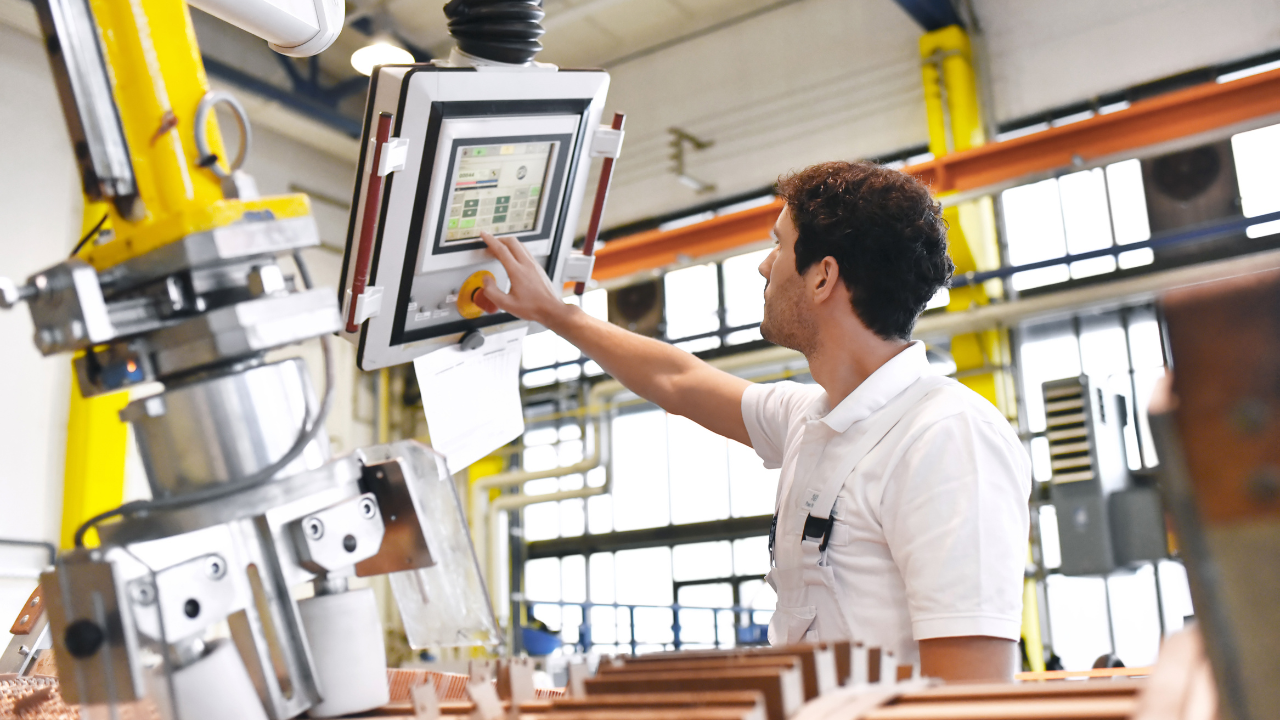
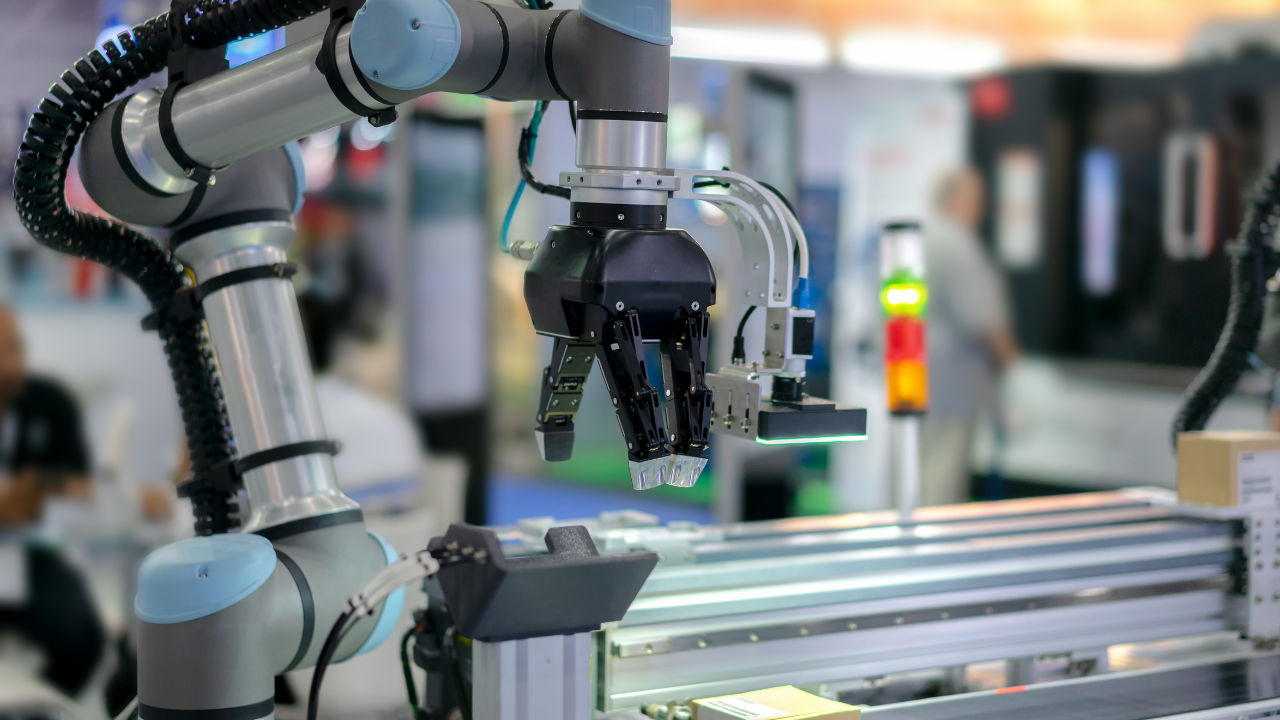
The advent of robotics and artificial intelligence (AI) in manufacturing marks a transformative era, not just for production processes, but also for the workforce behind them. As the industry stands on the brink of a new age, it’s crucial to understand the multifaceted role of robotics, the economic implications, and the opportunities that lie ahead for talent in this sector. This article sheds light on the symbiotic relationship between human workers and AI, the economic shifts anticipated with the integration of robotics, and the strategic moves required to thrive in the AI-manufacturing landscape. Key Takeaways AI and robotics are augmenting the manufacturing workforce, leading to a demand for upskilling and creating new career opportunities at the technology-production interface. Robotics in manufacturing is debunking the myth of workforce replacement by creating new job categories and emphasizing the role of education for a roboticized economy. AI advancements are enhancing manufacturing quality and efficiency, with predictive maintenance, AI-enhanced quality control, and optimized supply chains. Manufacturers must navigate legal and ethical considerations, including challenges related to AI deployment, data privacy, and security in the evolving manufacturing sector. Investing in talent and infrastructure is key to leveraging AI in manufacturing, requiring a skilled workforce, infrastructure upgrades, and a commitment to continuous innovation. Integrating AI and Robotics into the Manufacturing Workforce The Synergy of Human Talent and Machine Precision The integration of AI and robotics into manufacturing is not about replacing human workers but enhancing their capabilities. The symbiosis of human talent and machine precision creates opportunities for augmentation, where AI tools now assist in decision-making and complex tasks. This partnership leverages the strengths of both humans and machines, leading to unprecedented levels of productivity and innovation. The virtuous cycle of interactions between humans, automation, and machine learning processes is catalyzed by human insight, driving continuous improvement across the manufacturing floor. Manufacturers who invest in this synergy see a transformation in their workforce. Skilled employees become orchestrators of technology, guiding and optimizing robotic systems to achieve goals that were once unattainable. The table below illustrates the shift in roles and responsibilities: Traditional Role Evolving Role Manual Operator System Supervisor Quality Checker Process Optimizer Assembly Worker Robotic Coordinator Embracing this new frontier requires a commitment to ongoing learning and adaptation. As the manufacturing landscape evolves, so too must the skills and approaches of its workforce. Upskilling for the AI-Driven Manufacturing Landscape As the manufacturing sector increasingly adopts artificial intelligence (AI), the demand for a workforce proficient in AI and robotics is surging. Upskilling existing employees is crucial to meet the evolving requirements of smart factories. This process involves not only technical training but also fostering an adaptive mindset capable of working alongside advanced AI systems. To ensure a smooth transition into AI-driven manufacturing, a structured upskilling program is essential. Such programs might include: Comprehensive training in data analytics and machine learning principles Workshops on operating and maintaining robotic equipment Courses on AI integration in supply chain management Development of problem-solving and critical thinking skills By investing in upskilling initiatives, manufacturers can bridge the talent gap and empower their workforce to excel in a high-tech environment. This investment not only enhances productivity but also ensures that human workers remain an integral part of the manufacturing ecosystem, complementing the precision and efficiency of machines. Career Opportunities at the Intersection of Technology and Production The fusion of technology and production has given rise to a wealth of career opportunities that blend the best of both worlds. Professionals with a knack for innovation and a passion for manufacturing are finding their niche in roles that require both technical acumen and production savvy. Engineering: Hone your technical expertise in roles like Automation Systems Engineer, Lead Computational Geometry Software Engineer, and Mechanical Engineer. Software Development: Shape the future of manufacturing with positions like MLOps and Data Engineer, Robotics Software Engineer, Senior Robotics Software Engineer, and Software Engineer, Application Infrastructure. The landscape of manufacturing careers is evolving, with a significant emphasis on roles that leverage both technological proficiency and an understanding of production dynamics. This shift is not just creating jobs but is also enhancing the quality and efficiency of the manufacturing process. Companies like Bolt-on Recruitment are at the forefront of this transformation, connecting businesses with the talent needed to thrive in this new era. Whether you’re looking to advance your career or are just starting out, the opportunities are vast and varied, spanning from problem-solving to production planning and beyond. The Economic Impact of Robotics on Manufacturing Jobs Debunking the Myth of Workforce Replacement The integration of AI and robotics in manufacturing has sparked a debate centered on the fear of job displacement. However, the reality is more nuanced. Collaborative robots, or ‘cobots’, are designed to work alongside humans, enhancing their capabilities rather than replacing them. These cobots take on repetitive tasks, allowing human workers to focus on more complex and creative aspects of manufacturing. The narrative that AI and robotics will lead to mass unemployment in manufacturing is being challenged by evidence of workforce augmentation. AI-enabled tools are not only improving productivity but also job satisfaction by providing workers with decision support and actionable insights. The experience of companies like Ultradent reveals a different story. Despite the integration of advanced automation, they report no net decrease in employment or layoffs. This suggests that the relationship between robotics and employment is not one of replacement but of transformation. Here’s how the workforce is evolving: Upskilling: Workers are learning to operate new AI-powered tools and machinery. New Roles: As some tasks become automated, new job categories are emerging in robot maintenance, programming, and supervision. Collaboration: Humans and machines are working together more closely than ever, each complementing the other’s strengths. The fears of AI and robotics rendering human workers obsolete are not reflected in the current trends of manufacturing employment. Instead, we are witnessing a shift towards a more collaborative and technologically integrated workforce. How Robotics Create New Job Categories The integration of robotics into manufacturing has led to the emergence of