
Precision Recruitment in Manufacturing and Engineering: Proven Strategies for Faster, Better Hires
Precision recruitment in manufacturing and engineering is no longer just about filling vacancies—it’s about securing the right talent fast, without compromising quality. If you struggle with long hiring cycles or mismatched candidates, your recruitment strategy needs a sharper focus. This blog will show you proven methods to speed up hiring while building a strong engineering talent pipeline tailored to your business needs.
Precision Recruitment Strategies

Precision recruitment is about finding perfect matches for your roles, not just filling positions. By understanding its core principles, you can improve your hiring process and make it more effective.
Understanding Precision Recruitment
Precision recruitment focuses on matching the right skills with the right roles. Think of it as fitting puzzle pieces together. The goal is to find candidates who not only meet the technical requirements but also fit well within your company culture.
To achieve this, it’s essential to start with a clear understanding of the specific needs of each position. This means going beyond the job description. Consider the team dynamics and the long-term goals of your department. Are you looking for someone who can lead a team, or do you need a detail-oriented individual who thrives on data analysis?
By pinpointing these specifics, you create a more accurate candidate profile. This approach saves time and resources by directing your search toward individuals who are more likely to succeed in the role.
Reducing Time-to-Hire
Speed is crucial in today’s competitive job market. A long hiring process can mean losing top talent to competitors. Here’s the key insight: streamlining your recruitment process is not about cutting corners but about optimizing every step.
Start by evaluating your current hiring timeline. Identify stages that consistently cause delays. Is it the initial screening or the final decision-making? Once you pinpoint these areas, you can implement strategies to accelerate them.
For instance, consider using technology to automate parts of the process. Applicant tracking systems can quickly sort through resumes to identify suitable candidates. Additionally, scheduling tools can help coordinate interviews more efficiently, reducing back-and-forth communication.
Implementing these changes can significantly reduce your time-to-hire. The longer you wait, the more opportunities you miss, so act now to refine your processes.
Specialised Recruitment Techniques
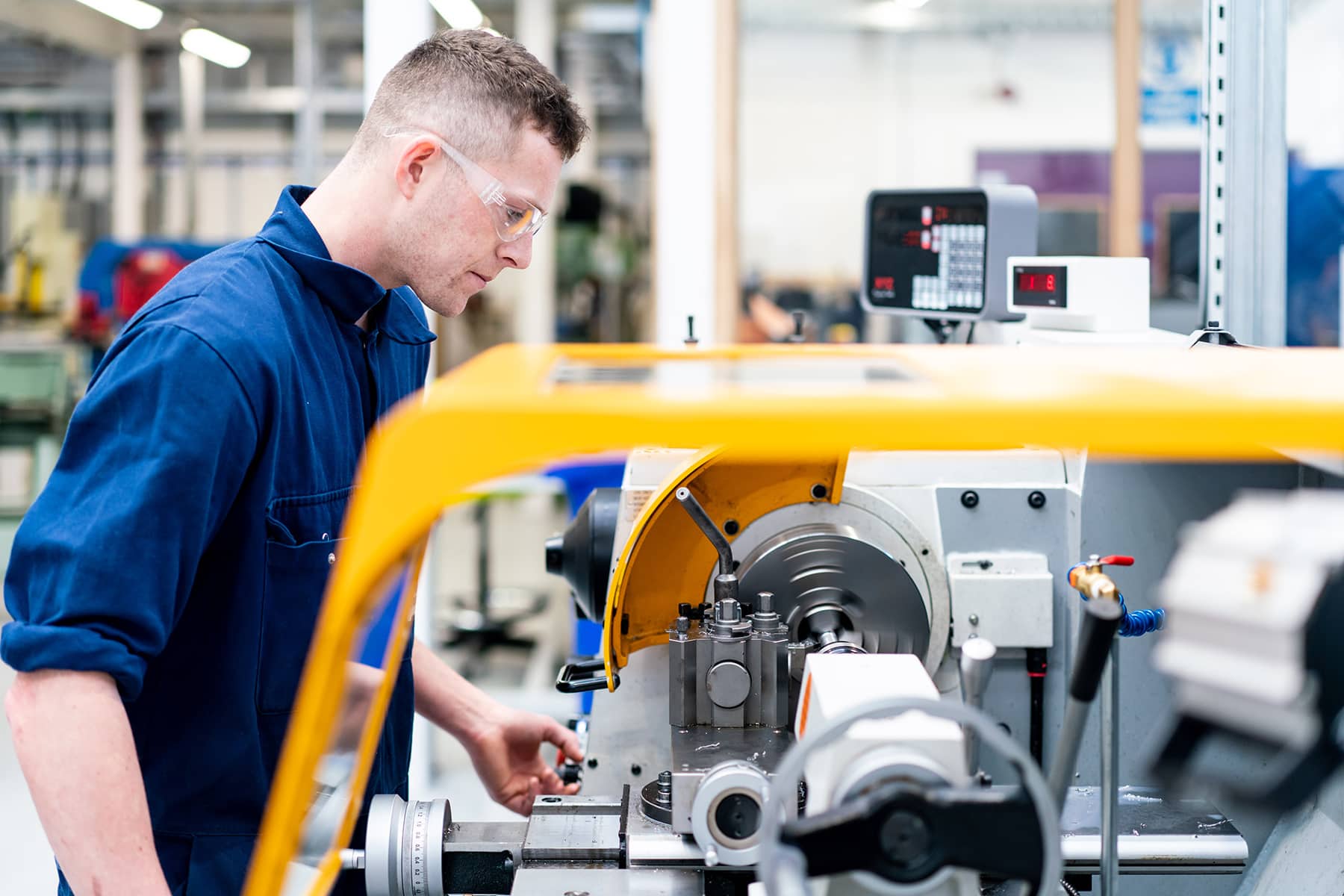
Specialized recruitment requires a tailored approach. By focusing on specific skills and cultural fit, you can build stronger teams that drive your company forward.
Candidate Screening and Skills Assessment
Screening is the backbone of the recruitment process. It involves evaluating candidates to ensure they meet your criteria. A rigorous screening process can save you from costly hiring mistakes.
Start by defining the essential skills and qualifications for the role. What specific abilities must a candidate possess? Make a checklist to keep track of these requirements during the screening process.
Next, use skills assessments to measure candidates’ capabilities. These assessments provide objective data to support your hiring decisions. They can range from technical tests to situational judgment scenarios.
By incorporating these assessments, you ensure that candidates have the skills they claim to possess. This step not only enhances the quality of your hires but also boosts your confidence in your recruitment choices.
Tailoring to Role and Culture
Cultural fit is as important as skills in recruitment. A candidate’s ability to adapt to your company culture can determine their long-term success and satisfaction.
To assess cultural fit, start by identifying your company’s core values and work environment. What traits do your most successful employees share? Use these insights to guide your interviews and evaluations.
During interviews, ask questions that reveal a candidate’s values and work style. How do they handle conflict? What motivates them? These questions help you understand if they align with your company’s culture.
By considering both technical skills and cultural fit, you create a more comprehensive candidate profile. This approach leads to better matches and stronger, more cohesive teams.
Global Recruitment and Relocation
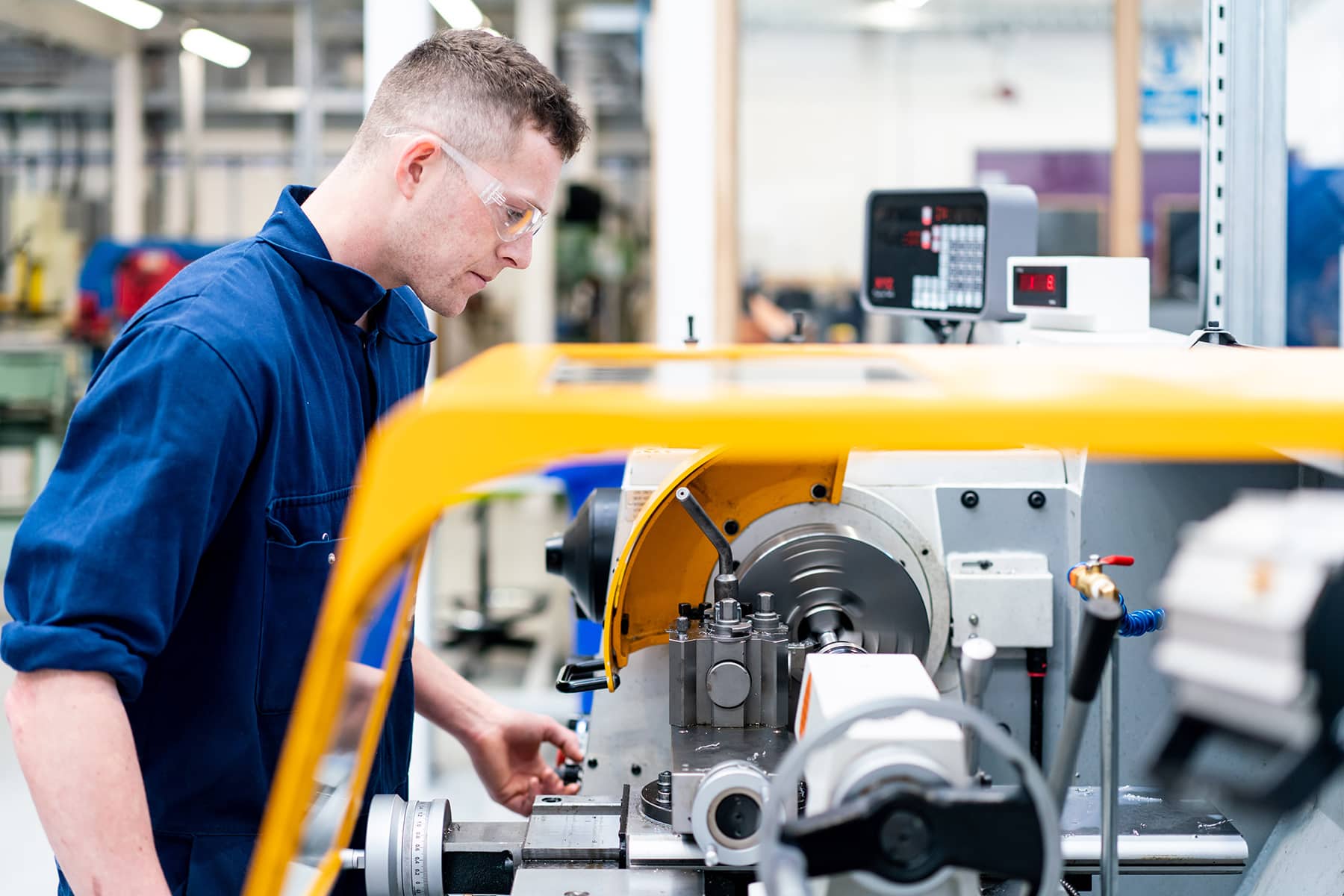
Expanding your talent pool globally opens up new opportunities. However, it also presents unique challenges, such as navigating visas and ensuring smooth relocations.
Visa and Compliance Support
Hiring internationally requires understanding complex visa regulations. Compliance is crucial to avoid legal issues and ensure a smooth hiring process.
Start by familiarizing yourself with the visa requirements for each country where you plan to hire. Each region may have different rules and processes for work permits and sponsorships.
Consider partnering with a legal expert or consultancy that specializes in immigration law. They can provide guidance and support throughout the visa application process, ensuring you meet all necessary requirements.
With proper visa and compliance support, you can focus on finding the right talent without worrying about legal hurdles. This support is invaluable in building a diverse and skilled international team.
Relocation Services for International Hires
Relocating employees can be a complex process. Providing comprehensive relocation services can ease this transition and enhance employee satisfaction.
Consider offering support in areas such as housing, transportation, and settling into the local community. These services help employees feel more comfortable and settled in their new location.
Additionally, provide cultural training to help international hires adapt to their new work environment. Understanding cultural differences is key to fostering a harmonious workplace.
By investing in relocation services, you show your commitment to supporting your employees’ transitions. This investment pays off in improved retention and job satisfaction for your international hires.
In conclusion, precision recruitment in manufacturing and engineering requires a strategic approach. By focusing on specific skills, cultural fit, and global recruitment, you can build a strong talent pipeline that meets your business needs. Implementing these strategies not only reduces time-to-hire but also ensures you secure the best candidates for your roles.
Find out more to discuss job vacancies