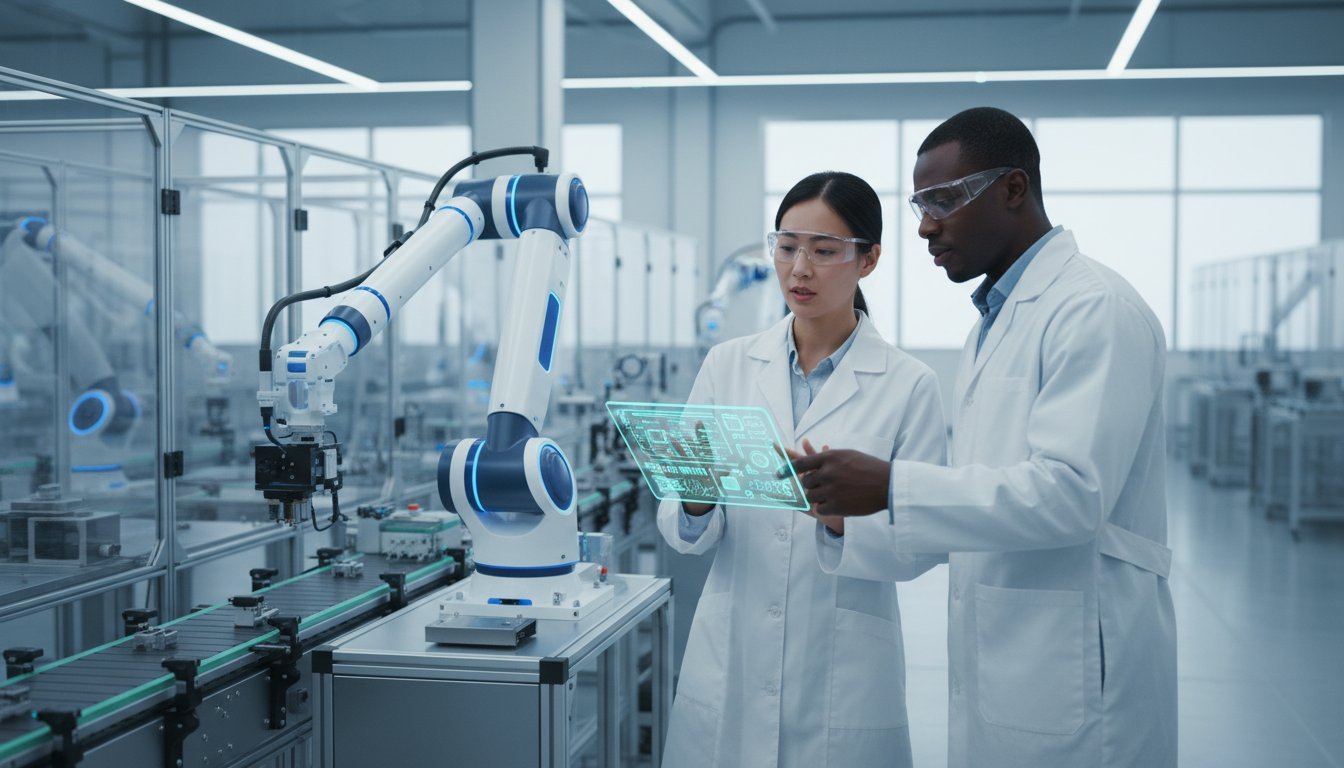
Talent mapping for smart factory talent is no longer a passive task—it demands a strategic, data-driven approach to secure the right automation engineers, robotics experts and digital manufacturing professionals well before you need them. With Industry 4.0 and Industry 5.0 accelerating production transformation, waiting for candidates to appear risks costly delays and missed opportunities. This guide shows how to build a proactive talent map that aligns with your technology roadmap and keeps your teams future-ready. For more insights, check out this resource on building a manufacturing hiring strategy.
Building Proactive Talent Maps
Smart Factory Talent Strategy
To stay ahead in smart manufacturing, you must anticipate talent needs. Your strategy should outline roles that support your technology goals. Mapping these needs ensures you secure key professionals before they become scarce.
Workforce Planning for Industry 4.0
Workforce planning focuses on aligning your team’s skills with your industry goals. Identify gaps between current skills and what’s needed for Industry 4.0. This approach prepares you to fill roles critical to your transformation journey.
Key Roles in Production Transformation

Automation and Controls Engineers
Automation and controls engineers are crucial for transforming your production processes. They design systems that enhance production efficiency. By employing them, you ensure your machines operate seamlessly and adapt to new technologies. Their expertise in programming and systems integration helps reduce operational downtime and improve productivity.
Automation engineers implement control systems that streamline manufacturing processes. Their skills in PLC programming and SCADA systems make them indispensable. Hiring these professionals ensures your factory runs efficiently, reducing costs and increasing output. For more on smart workforce management, visit this blog.
Robotics and Digital Manufacturing Jobs
Robotics experts play a vital role in modern factories. They design robotic systems that automate manual tasks, increasing production speed and accuracy. This results in significant cost savings and improved safety standards.
Digital manufacturing professionals are essential for integrating new technologies. They use data analytics and the Internet of Things (IoT) to optimize manufacturing processes. By hiring these professionals, you keep your factory at the forefront of technological advancements. Learn how digital transformation can be accelerated through smart manufacturing solutions by exploring Deloitte’s insights.
Strategic Recruitment and Consultation

Market Mapping and Intelligence
Market mapping gives you insights into the talent landscape. By analyzing industry trends and competitor activity, you can identify where to find the best candidates. This intelligence helps you make informed recruitment decisions, ensuring access to top talent before your competitors do.
Using market intelligence, you can predict future talent needs. This proactive approach helps you avoid talent shortages and ensures your recruitment aligns with business objectives. Explore strategies for digital transformation in manufacturing in this World Economic Forum report.
Salary Benchmarking and Hiring Roadmap
Salary benchmarking is essential for attracting top talent. By understanding market rates, you can offer competitive salaries that attract skilled professionals. This ensures you remain an employer of choice in a competitive market.
A hiring roadmap outlines your recruitment strategy. It aligns your hiring efforts with your business goals, ensuring you acquire the right talent at the right time. This roadmap becomes a key tool in your overall business strategy, enabling growth and transformation.
Frequently Asked Questions
What is talent mapping in manufacturing?
Talent mapping involves identifying and planning for the skills and roles your business needs to succeed. In manufacturing, it focuses on securing professionals with expertise in automation, robotics, and digital technologies.
Why are automation and controls engineers important?
They design systems that enhance production efficiency, reducing operational downtime, and improving productivity. Their expertise ensures machines operate efficiently and can adapt to new technologies.
How does digital manufacturing benefit factories?
Digital manufacturing integrates new technologies like IoT and data analytics to optimize processes. It keeps factories at the cutting edge of technological advancements, improving efficiency and product quality.
Find out more to discuss job vacancies