
Most manufacturers believe investing in the latest automation and robotics will guarantee Industry 4.0 success. Yet, projects still stall and production goals fall short. The missing link? Your Industry 4.0 workforce. In this post, you’ll learn why technology alone can’t carry the load and how aligning your Smart Factory talent with your technology roadmap will drive measurable transformation. For further insights, consider reviewing this resource.
Building a People-Centric Workforce
The rise of Industry 4.0 has challenged manufacturers to rethink their approach, emphasizing not just technology but the people behind it. Building a Smart Factory workforce requires more than investing in robotics; it demands aligning human skills with technological advancements.
Technology Integration vs. Human Skills
It’s tempting to assume that technology alone will solve production challenges. While automation and robotics play a key role, they cannot replace the nuanced skills humans bring. Humans excel in problem-solving, decision-making, and creativity. As technology evolves, your workforce must adapt, enhancing these skills to complement automated systems. Industry 4.0 workforce is about marrying technology with human intuition.
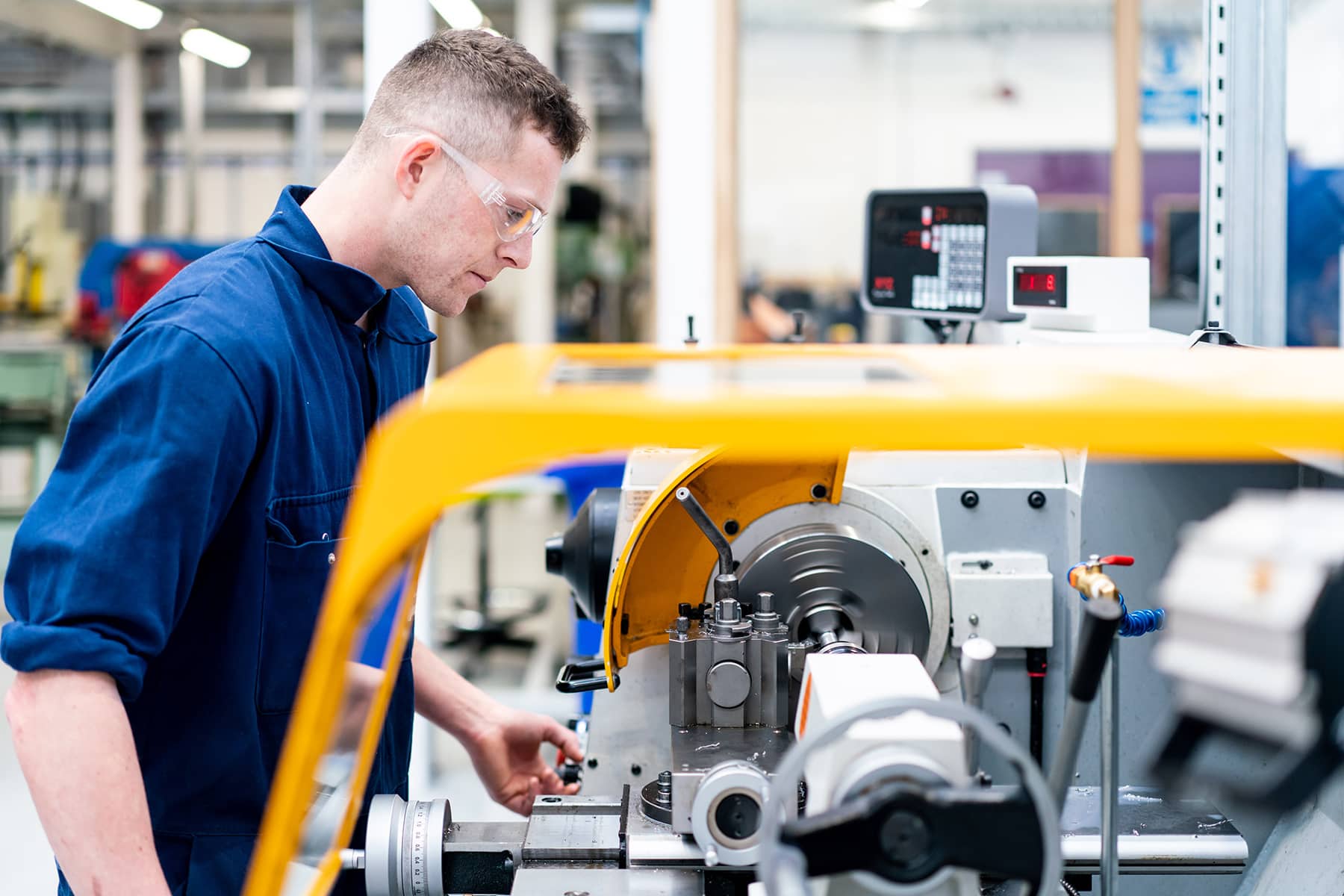
Manual processes need to coexist with digital solutions. Imagine a factory where robots perform repetitive tasks, while skilled engineers oversee operations, addressing unexpected issues swiftly. This combination increases productivity and reduces downtime.
In the quest for a Smart Factory, the focus should be on developing human capabilities alongside implementing cutting-edge technologies. This balance ensures a seamless transition into a highly efficient and adaptable manufacturing environment.
Upskilling for the Future Factory
To thrive in a digital landscape, upskilling your workforce is essential. Providing training in new technologies empowers employees to handle advanced machinery and processes. Upskilling initiatives can range from workshops to online courses, focusing on areas like data analytics, AI, and robotics.
Consider a practical approach: identify skill gaps through assessments and tailor programs to bridge these gaps. For instance, offer courses on SCADA systems to SCADA engineers, enabling them to manage complex networks efficiently.
By investing in your team’s growth, you ensure they remain competitive. Upskilling not only enhances individual performance but also boosts overall production outcomes. The more knowledgeable your workforce, the better equipped you’ll be to face future challenges.
Retention Strategies for Success
Once you’ve invested in your team, keeping them is crucial. High turnover disrupts operations and incurs costs. Retention strategies should focus on creating a supportive work environment, offering competitive benefits, and recognizing achievements.
Cultivate a culture of continuous learning, encouraging employees to pursue further education. This not only retains talent but also attracts new hires eager to grow. Consider implementing mentorship programs where seasoned professionals guide newcomers, fostering collaboration and knowledge sharing.
Retention also means adapting to changing work preferences. Flexible work arrangements, such as remote options, cater to modern needs, increasing job satisfaction. By valuing your workforce, you create a motivated team committed to achieving Smart Factory goals.
Strategic Alignment of Workforce and Technology

To maximize the synergy between people and machines, a strategic alignment of workforce capabilities with technological goals is vital. This alignment ensures your team can effectively leverage new tools and systems.
Mapping Capabilities and Critical Roles
Understanding the strengths and roles within your organization is crucial. Map existing capabilities to identify critical roles that need development. For example, PLC programmers are essential for configuring automated systems, while MES engineers oversee manufacturing execution.
Create a skills matrix to match employee abilities with required competencies. This approach highlights areas needing reinforcement and informs targeted training plans. By strategically mapping roles, you ensure each team member contributes optimally to your Smart Factory’s success.
Hiring and Recruitment Best Practices
Recruitment is more than filling positions; it’s about finding the right fit for your organization’s culture and goals. Prioritize candidates with a blend of technical expertise and adaptability. Emphasize skills like problem-solving and continuous learning during assessments.
Consider partnering with recruitment agencies specializing in digital manufacturing to access a broader talent pool. Look for professionals experienced in digital twin technology and predictive maintenance. These roles are pivotal in maintaining a competitive edge in Industry 4.0.
By refining your hiring practices, you build a team aligned with your vision, ready to drive innovation and growth.
Defining and Measuring KPIs for Impact
Key performance indicators (KPIs) help track progress and identify areas for improvement. Define KPIs that reflect both technological and human aspects of your operations. For instance, measure system uptime alongside employee engagement levels.
Regularly review these metrics to gauge the impact of your strategies. Are training programs enhancing efficiency? Is your recruitment process attracting the right talent? Adjust your approach based on data-driven insights to ensure continuous improvement.
Effective KPI measurement empowers you to make informed decisions, optimizing your Smart Factory’s performance and aligning workforce efforts with technology goals.
McGlynn Personnel as a Strategic Partner
Navigating the complexities of Industry 4.0 requires a strategic partner who understands your unique challenges and opportunities. McGlynn Personnel offers expertise in recruiting top talent for digital transformation.
Connecting with Industry-Leading Talent
Through our extensive network, we connect you with professionals at the forefront of automation and robotics. Whether you need robotics engineers or OT network engineers, we ensure you have access to the best in the field.
Our approach focuses on understanding your specific needs, enabling us to match you with candidates who fit both technically and culturally. This tailored process improves retention and drives long-term success.
Tailored Talent Mapping and Benchmarking
We offer comprehensive talent mapping, helping you identify areas for growth and future-proofing your workforce. Our benchmarking services provide insights into industry standards, ensuring competitive compensation packages that attract top talent.
By leveraging our expertise, you gain a strategic edge in building a skilled, motivated team ready to tackle Industry 4.0 challenges head-on.
Support for Global Manufacturing Needs
With a presence in Texas, the USA, and the UK, McGlynn Personnel supports your global recruitment efforts. We understand the nuances of different markets, allowing us to navigate cross-border hiring seamlessly.
Our commitment to quality ensures you receive candidates who not only meet technical requirements but also align with your organization’s vision. Partnering with us means securing the talent needed to drive innovation and growth in an interconnected manufacturing landscape.
Frequently Asked Questions
What is the role of humans in a Smart Factory?
Humans bring critical thinking, creativity, and problem-solving skills that complement automated processes. While machines handle repetitive tasks, humans oversee operations, ensuring efficiency and addressing complex issues.
How can I upskill my workforce for Industry 4.0?
Identify skill gaps and offer targeted training programs in areas like data analytics, AI, and robotics. Encourage continuous learning through workshops, online courses, and mentorship opportunities.
What should I consider when hiring for Industry 4.0 roles?
Look for candidates with a mix of technical expertise and adaptability. Prioritize skills like problem-solving and a willingness to learn. Partnering with specialized recruitment agencies can provide access to a broader talent pool.
Why are retention strategies important in Industry 4.0?
Retaining skilled employees ensures operational continuity and reduces costs associated with turnover. Strategies focused on work-life balance, competitive benefits, and a supportive culture improve job satisfaction and loyalty.
How does McGlynn Personnel support global manufacturing needs?
We offer tailored recruitment solutions across Texas, the USA, and the UK. Our understanding of different markets allows us to seamlessly navigate cross-border hiring, providing you with top talent aligned with your global vision.
Find out more to discuss job vacancies