
Factories have changed faster in the last five years than in the previous two decades. If your engineering team isn’t evolving alongside automation, controls and robotics advances, you risk falling behind. The next decade will reward professionals who master Industry 4.0 careers and Industry 5.0 jobs, shaping manufacturing’s future. This post breaks down the skills and recruitment strategies that will keep your operations competitive and future-ready. For further insight, consider exploring this article on robotics and automation careers.
Navigating the Future of Engineering Careers
Engineering careers are rapidly changing. With increased automation, robotics, and controls, staying competitive requires adapting to new technologies. Here’s what you need to know to keep your team prepared.
Key Market Forces in Manufacturing
The manufacturing sector is shifting quickly. Technologies like automation and AI are reshaping how factories operate. These changes demand new skills. The companies that adapt will thrive.
Skills in High Demand
Some skills are particularly hot right now. Expertise in automation, robotics, and digital platforms is crucial. If you have engineers skilled in these areas, your team is ready for the future.
-
Automation Skills: Engineers with automation skills are in high demand. They help factories run more smoothly and efficiently.
-
Robotics Expertise: Robotics engineers are key to modern manufacturing. Their work makes factories more productive.
-
Digital Manufacturing Know-How: Understanding digital platforms is essential. Engineers need to work with advanced tools and systems.
Strategic Recruitment for Industry 4.0
Recruiting the right talent is crucial for staying ahead in Industry 4.0. Focus on finding candidates with the skills needed to drive technological innovation. This strategic approach will position your company for success.
Automation and Robotics: Career Catalysts
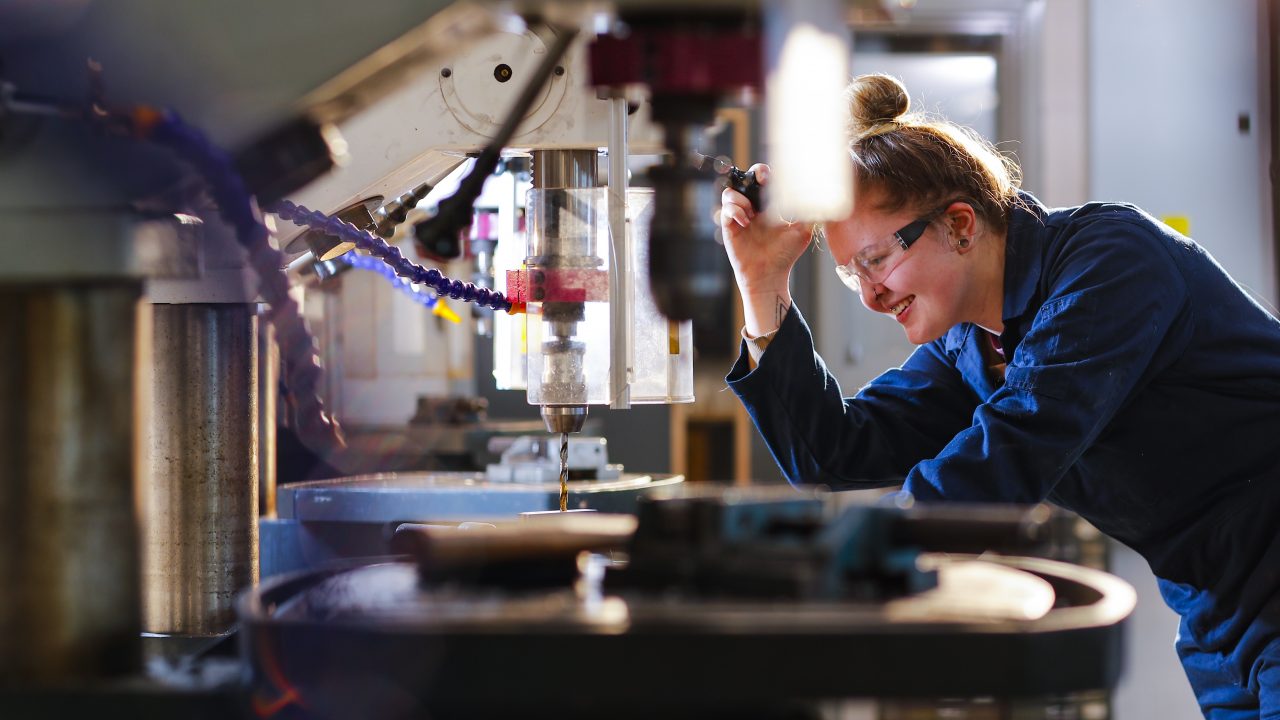
Automation and robotics are driving forces in engineering careers. As these technologies evolve, so does the landscape of available jobs.
The Rise of Automation Engineering Jobs
Automation engineering jobs are growing. These roles involve designing systems that improve efficiency. Engineers in these positions help companies stay competitive.
-
Automation engineers work on creating efficient systems.
-
Their efforts reduce costs and improve productivity.
Robotics and Controls Engineering Careers
Robotics is another booming field. Engineers in this area design machines that can perform complex tasks. Their work is vital to modern manufacturing.
-
Robotics engineers design and build machines.
-
Controls engineers ensure these machines operate smoothly.
For those interested in pursuing a career in robotics, reading this detailed guide on robotics engineering might be beneficial.
Digital Manufacturing and AI Opportunities
Digital manufacturing combines traditional processes with digital technology. This creates new opportunities for engineers. AI plays a significant role in this evolution.
-
Digital tools improve efficiency and enable advanced production techniques.
-
AI systems help with predictive maintenance and decision-making.
Building Future-Ready Engineering Teams
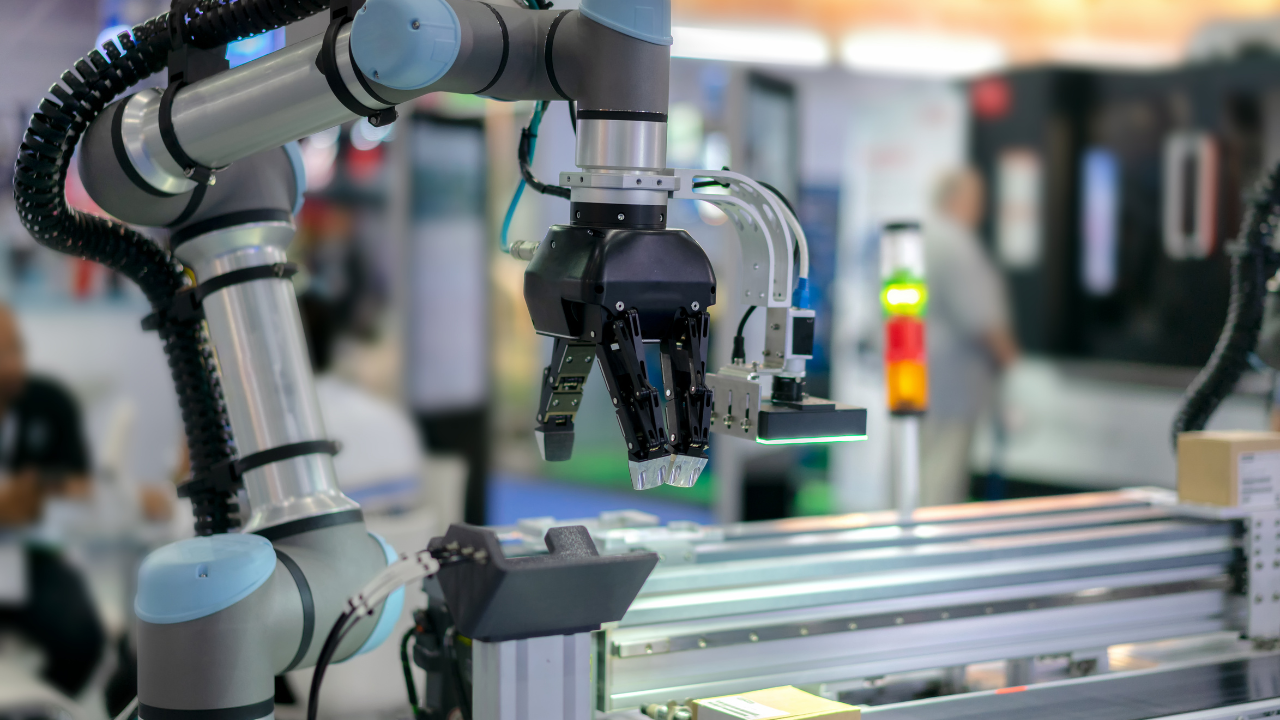
To remain competitive, companies need to build teams that are ready for future challenges. This involves smart recruitment and strategic planning.
Smart Factory Talent Acquisition
Hiring the right talent is crucial for building smart factories. Focus on candidates who understand modern technologies and can drive innovation.
-
Look for candidates with experience in automation and digital manufacturing.
-
Consider their ability to adapt to new technologies.
Connecting with Top Industry Talent
To connect with top talent, broaden your search. Look beyond local candidates and consider international professionals who bring diverse experiences.
-
Cast a wide net to find the best candidates.
-
Value diverse perspectives and experiences.
Strategic Workforce Planning for Success
A strategic approach to workforce planning ensures long-term success. Focus on building a team that can adapt to technological changes.
-
Plan for future skill needs.
-
Invest in training and development for your team.
Frequently Asked Questions
What are the key skills for future engineering careers?
Key skills include expertise in automation, robotics, digital manufacturing, and AI. These skills are essential for staying competitive in modern manufacturing.
How can companies recruit top engineering talent?
Companies can recruit top talent by focusing on candidates with relevant skills, broadening their search to include international professionals, and offering opportunities for growth and development.
Why is strategic workforce planning important?
Strategic workforce planning helps companies prepare for future challenges. It ensures that teams have the skills needed to adapt to technological changes and drive innovation.
For those interested in a deeper dive into the future of robotics careers, this Facebook group discussion provides valuable insights into the industry’s trajectory.
Find out more to discuss job vacancies