
Finding the right talent for real estate development projects has never been more challenging. Superintendents must possess far superior skills compared to a decade ago as projects grow exponentially more complex with compressed timelines. Traditional hiring methods no longer deliver the caliber of professionals needed to execute high-stakes developments successfully. This guide explores proven strategies that help employers secure top-tier technical and managerial talent in an increasingly competitive market.
Table of Contents
- Why Real Estate Development Recruitment Is More Complex Today
- Core Strategies For Successful Real Estate Development Recruitment In 2026
- Comparing Recruitment Models: Contract, Retained, And Contingency For Real Estate Projects
- Leveraging Technology And Ethical Practices To Attract And Retain Top Talent
- Explore Specialized Recruitment Solutions For Real Estate Development
Key takeaways
| Point | Details |
|---|---|
| Complexity demands expertise | Modern real estate projects require professionals with advanced technical skills and adaptive thinking capabilities. |
| Specialized recruitment wins | Purpose-built hiring strategies deliver better quality matches and reduce time to hire significantly. |
| Multiple models available | Contract, retained, and contingency recruitment each serve distinct project needs and budget considerations. |
| Ethics drive retention | Transparent, fair hiring practices reduce turnover and strengthen employer reputation in competitive markets. |
| Technology expands reach | Digital platforms and AI tools enable faster, broader candidate sourcing across global talent pools. |
Why real estate development recruitment is more complex today
Real estate development projects in 2026 face unprecedented demands. Schedules compress while technical requirements expand, creating a perfect storm for hiring managers seeking qualified professionals. The days of hiring based solely on years of experience have ended.
“Superintendents have to be better today than they were 10 or 20 years ago due to complex projects and schedule demands.” NCCER
This complexity cascade affects every hiring decision. Construction superintendents now manage sustainable building systems, coordinate with multiple specialized contractors, navigate evolving regulations, and deliver projects under intense time pressure. Technical experts must understand advanced materials, digital project management tools, and integrated design processes. Managers need stronger leadership capabilities to guide diverse teams through rapid problem-solving cycles.
Traditional recruitment approaches struggle with these elevated requirements. Generic job boards attract high volumes of unqualified applicants. Internal HR teams lack the specialized networks needed to identify passive candidates with niche expertise. Time spent screening poor matches delays critical project starts. Balancing recruitment needs requires understanding both technical competencies and cultural fit factors that determine long-term success.
Employers who recognize this shift gain competitive advantage. Those clinging to outdated methods face extended vacancies, project delays, and quality compromises. The stakes have never been higher for getting recruitment right from the start.
Core strategies for successful real estate development recruitment in 2026
Successful hiring starts with recognizing that tailored recruitment strategies dramatically improve outcomes. Generic approaches waste resources and miss top candidates who require specialized engagement.
Begin by partnering with recruitment agencies that specialize exclusively in real estate development. These specialists maintain deep networks of technical professionals, understand industry-specific competencies, and can quickly assess candidate capabilities against project requirements. Their expertise saves months compared to general recruiters learning your sector.
Develop comprehensive role descriptions that move beyond basic qualifications. Specify required technical competencies, decision-making authority, team dynamics, and adaptability expectations. Strong candidates evaluate opportunities carefully and need clarity about challenges they will face. Vague descriptions attract weak applicants while deterring high performers.

Pro Tip: Include specific project examples in your role descriptions to give candidates concrete understanding of the work environment and complexity they will navigate.
Diversify your sourcing channels strategically:
- Leverage digital platforms that target construction and development professionals specifically
- Tap into industry association networks and specialized job boards
- Explore international talent pools for hard-to-fill technical roles
- Utilize employee referral programs that reward quality introductions
- Engage passive candidates through personalized outreach campaigns
Implement rigorous screening processes that combine technical assessments with cultural evaluation. Paper qualifications tell only part of the story. Behavioral interviews reveal problem-solving approaches, communication styles, and team collaboration capabilities. Technical assessments validate claimed expertise and identify knowledge gaps early.
Engage key stakeholders throughout the hiring process. Project managers, senior superintendents, and team members who will work directly with new hires should participate in candidate evaluation. Their input ensures alignment and builds buy-in before the hire starts. This collaborative approach also accelerates decision-making and reduces offer acceptance delays.
Comparing recruitment models: contract, retained, and contingency for real estate projects
Choosing the right recruitment model dramatically impacts hiring success and cost efficiency. Each approach serves distinct needs based on role type, urgency, and organizational capacity.
Contract recruitment offers flexibility ideal for project-based roles and specialized expertise needed temporarily. This model works exceptionally well for:
- Short-term project specialists filling capability gaps
- Interim leadership during transitions or expansions
- Seasonal demand spikes requiring rapid scaling
- Pilot initiatives testing new service offerings
- Coverage during permanent staff leaves or transitions
Contract arrangements provide budget predictability and eliminate long-term employment obligations. However, they may not suit roles requiring deep organizational knowledge or multi-year project continuity.
| Recruitment Model | Best For | Timeline | Cost Structure | Exclusivity |
|---|---|---|---|---|
| Contract | Project roles, temporary needs | 1-4 weeks | Hourly or daily rate | Non-exclusive |
| Retained | Executive, senior leadership | 8-16 weeks | Upfront + milestones | Exclusive search |
| Contingency | Mid-level, volume hiring | 4-8 weeks | Success fee only | Non-exclusive |
Retained search delivers superior results for high-level permanent positions requiring extensive market mapping. This model commits the recruiter exclusively to your search, justifying deeper candidate evaluation and comprehensive market analysis. Retained searches cost more upfront but produce exceptional candidates for mission-critical leadership roles where hiring mistakes prove extremely expensive.
Contingency recruitment accelerates volume hiring when you need multiple similar roles filled quickly. Recruiters compete to present candidates, creating urgency and broad market coverage. The pay-on-success model minimizes financial risk but may reduce candidate quality screening since recruiters prioritize speed over perfect matches.
Match your recruitment model to role criticality, timeline urgency, and available internal resources. Executive hires warrant retained search investment. Routine technical roles may succeed with contingency approaches. Project-specific expertise fits contract models perfectly.
Leveraging technology and ethical practices to attract and retain top talent
Modern recruitment success requires combining technological efficiency with human-centered ethics. Technology alone produces volume without quality. Ethics without efficiency loses competitive races for top talent. The winning formula integrates both.
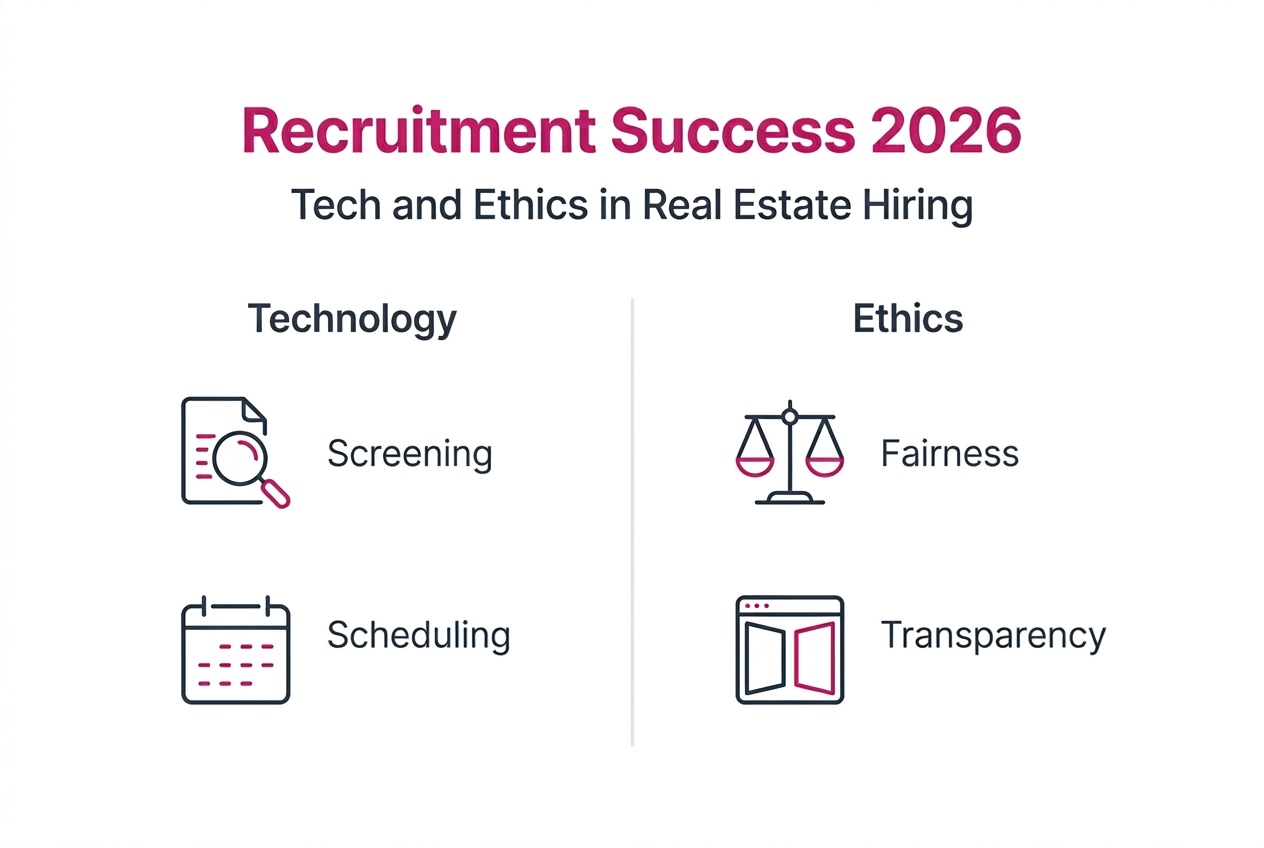
Emerging technologies improve sourcing by expanding reach and accelerating initial screening. AI-powered platforms analyze thousands of profiles to identify candidates matching specific technical criteria. Applicant tracking systems manage communication workflows and ensure no qualified candidate slips through administrative cracks. Video interviewing tools enable efficient preliminary assessments across geographic boundaries.
Key technology applications include:
- Resume parsing systems extracting relevant experience automatically
- Candidate relationship management platforms nurturing passive talent pools
- Skills assessment software validating technical competencies objectively
- Predictive analytics identifying candidates likely to succeed long-term
- Mobile-optimized application processes capturing on-the-go professionals
Pro Tip: Use technology to handle repetitive tasks like initial screening and scheduling, freeing your team to focus on relationship building and cultural assessment where human judgment proves irreplaceable.
Ethical recruitment builds trust and reduces costly turnover substantially. Transparency about role challenges, realistic job previews, and fair compensation create foundations for lasting employment relationships. Candidates who feel respected during hiring bring loyalty and commitment when hired.
Implement these ethical practices consistently:
- Provide honest project timelines and real challenge descriptions
- Offer competitive, market-aligned compensation packages
- Communicate decision timelines clearly and honor commitments
- Give constructive feedback to unsuccessful candidates
- Eliminate bias through structured interviews and diverse panels
Train hiring managers regularly on unconscious bias recognition and mitigation. Even well-intentioned professionals make snap judgments based on irrelevant factors. Structured interview frameworks and standardized evaluation criteria reduce bias impact while improving candidate experience consistency.
Technology complements rather than replaces human judgment in final hiring decisions. Algorithms identify candidates worth deeper evaluation. People assess cultural fit, leadership potential, and interpersonal dynamics that determine real-world success. The most effective recruitment processes leverage both capabilities strategically.
Explore specialized recruitment solutions for real estate development
Navigating today’s complex hiring landscape requires specialized expertise and proven methodologies. McGlynn Personnel delivers tailored recruitment solutions designed specifically for real estate development employers across UK, EU, US, Middle East, and APAC regions.

Our team understands the unique demands of sourcing technical experts and project leaders who can execute under pressure while maintaining quality standards. We offer flexible contract recruitment for project-based needs, retained search for executive placements, and contingency services for volume hiring. Our real estate recruitment specialists leverage extensive industry networks and advanced sourcing technologies to identify candidates who align with your project requirements and organizational culture. We prioritize ethical recruitment practices that build lasting relationships and reduce turnover. Whether you need a senior superintendent, project manager, or specialized technical expert, we deliver qualified professionals ready to contribute immediately.
Frequently asked questions
What is real estate development recruitment?
Real estate development recruitment specializes in identifying and hiring professionals for property development projects including residential, commercial, and mixed-use developments. This recruitment niche focuses on technical roles like superintendents, project managers, engineers, and development managers who possess both construction expertise and project leadership capabilities.
What positions require specialized recruitment in real estate development?
Key positions include construction superintendents overseeing on-site operations, project managers coordinating timelines and budgets, development managers guiding projects from concept to completion, civil engineers handling infrastructure design, and estimators calculating project costs. These roles demand industry-specific technical knowledge combined with strong management and communication skills that generic recruiters struggle to evaluate accurately.
Why is real estate development recruitment more challenging than general hiring?
Development projects require professionals who balance technical expertise with adaptive problem-solving under tight deadlines and budget constraints. The talent pool remains limited for experienced specialists who understand modern building systems, sustainability requirements, and integrated project delivery methods. Competition for top performers intensifies as projects proliferate while qualified candidate supply lags demand significantly.
What benefits do specialized recruitment agencies provide?
Specialized agencies maintain extensive networks of passive candidates not actively job searching but open to compelling opportunities. They understand technical competencies and can quickly assess candidate capabilities through industry-specific questioning. Their market knowledge enables realistic salary guidance and competitive positioning. Most importantly, they reduce time to hire dramatically by presenting only pre-qualified candidates matching precise requirements.
How should employers start developing a recruitment strategy?
Begin by analyzing your current and projected staffing needs across upcoming projects. Define required competencies, experience levels, and cultural fit factors for each role type. Evaluate whether internal resources can manage recruitment effectively or if specialized agency partnership makes sense. Establish clear hiring timelines, budget parameters, and decision-making processes. Finally, select recruitment models matching each role’s criticality and urgency while building relationships with specialists who understand your business deeply.
Recommended
- Real estate hiring best practices for 2026 success
- Real Estate Development Director Recruiters: A Guide to Strategic Hiring – Mcglynn Personnel
- Recruiters for Real Estate Investment Analysts: Securing High-Stakes Talent in 2026 – Mcglynn Personnel
- The Art and Science of Balancing Recruitment Needs in Real Estate – Mcglynn Personnel
- Design Property Website Melbourne: Boost Leads 30% in 2026
- Security Recruitment Workflow: A Complete Hiring Guide